Turfgrass Industry Trends 2026: A Tampa Bay Homeowner Guide
The turfgrass industry trends 2026 that actually reach a Tampa Bay yard: a first-ever USDA sod insurance program, plus the tighter water rules and Florida breeding we track.
The turfgrass industry trends 2026 that reach a homeowner are fewer than the trade press suggests, and they are more concrete than most of what fills a conference program. The federal government now treats quality sod as an insurable crop. University breeders keep sharpening the grasses we lay down. Water rules keep tightening across Tampa Bay. We follow all of it because it changes what we recommend for the yards we walk across Riverview and Brandon, and because a homeowner deserves the signal without the sales noise wrapped around it. Here is what reaches your lawn in USDA hardiness zones 9b and 10a, where warm-season grass roots year round.
The turfgrass industry trends 2026 worth your attention
We are a family-owned sod crew, not a lab. But we belong to the same professional world that meets every winter, and we read the research university breeders publish. When a supplier tells us a grass “roots faster,” we want to know whether that came from a trial or a marketing deck. Three developments this year clear that bar. A first-ever insurance program for sod growers. A run of breeding work out of Florida, some of it honored at this year’s international conference. And a local water picture that keeps getting stricter.
A federal program that says quality turf has value
In July 2026 the USDA Risk Management Agency launched Turfgrass Value Select, the first crop insurance built specifically for turfgrass sod producers. It is an inventory-based plan. It took the industry group Turfgrass Producers International six years of work to help create it, according to TPI’s announcement. The pilot runs in select counties across ten states, and Florida is one of them. The initial sales closing date is September 1, 2026.
Read the fine print, though. This is crop insurance for the people who grow sod, not a homeowner warranty on your lawn. We stay honest about that distinction because the lawn business loves to dress up a “guarantee” as something it is not. We do not offer one. We are wary of anyone who leans on the word. What the program actually signals is quieter and more useful: federal risk managers now agree that a healthy turf crop carries real, insurable value. That is the same value you are buying when the sod arrives fresh-cut on our truck.
What 700 growers talked about in Tucson
The TPI 2026 International Education Conference and Field Day drew more than 700 producers and industry professionals to Tucson, Arizona, from February 15 to 19. Nine countries sent people. Roughly three-quarters of the room were growers, the people who actually cut and ship sod, which is why the education sessions tend to land on practical ground rather than hype. Labor, automation, and water sat near the top of the worry list this year.
For a homeowner, the useful signal is not the attendance figure. It is who the industry chose to honor. TPI gave its Turfgrass Educator Award of Excellence to Kevin Kenworthy, PhD, a plant-breeding professor at the University of Florida’s Institute of Food and Agricultural Sciences, per TPI’s award recap. Florida grass breeding got the spotlight. The varieties his program and its peers develop are built for the heat and sand we install into every week.
Tighter water rules are the real 2026 pressure
Watering days keep shrinking. Pinellas and Manatee counties carried lawn restrictions into 2026, and a grass that survives on less water has stopped being a nice-to-have. We track those local rules so a fresh lawn does not die of thirst inside its own establishment window. Check the 2026 restrictions in Pinellas County before you plant.
The Florida grass breeding we are watching
A new grass earns a skeptical eye and an open mind at once. Marketing loves the word “new.” Trials are what we trust. Here is where the research is pointing, and how it maps to your yard.
- CitraBlue St. Augustine. Introduced by the University of Florida in 2018, it keeps proving out for shade tolerance and disease resistance in Central Florida. It is not new anymore. It is maturing into a dependable choice.
- ProVista glyphosate-tolerant St. Augustine. It changed how some homeowners handle weeds, and it carries real risk if you spray the wrong product. We wrote a full guide on what ProVista owners should know after Roundup reformulated its lawn line.
- Warm-season alternatives. Bermuda and zoysia keep earning a place on the right site. Our Celebration Bermudagrass review and our zoysia guide for Tampa Bay lawns walk through where each one holds up.
None of this replaces the fundamentals. A grass bred for Florida still fails if it is grown on the wrong soil for your site. That is why we install sand-bottom sod, and why we keep explaining the difference between sand-bottom and muck-bottom sod to every customer who asks. Want to compare varieties head to head before you commit? Our sod variety comparison guide lines them up for Florida yards.
If you want help matching this year’s better varieties to your sun and shade, that is the conversation our project managers have every day. We are glad to walk your yard and tell you what we would put down, and why.
Continue reading
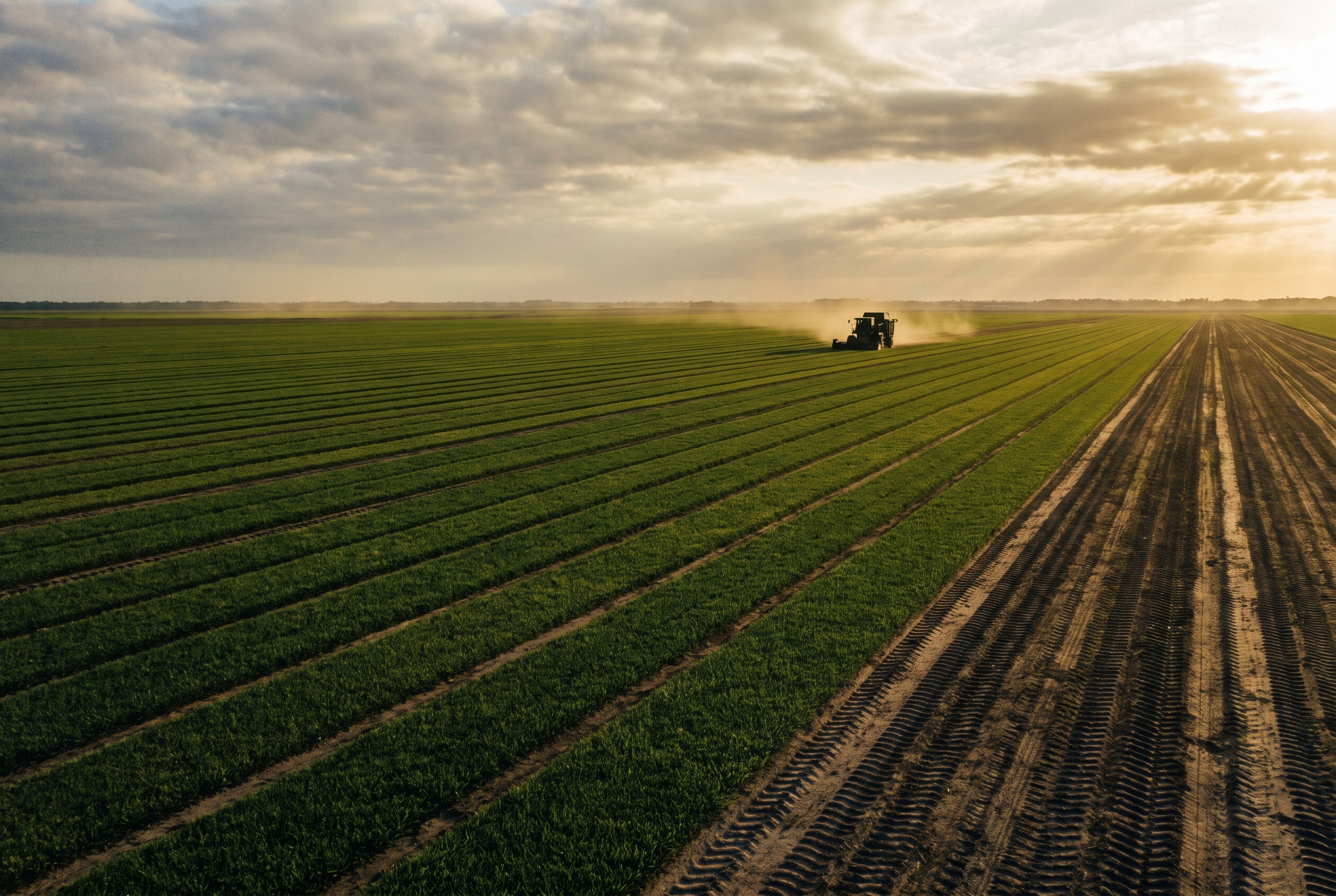
What the New USDA Turfgrass Insurance Program Means for Florida Sod Buyers
The new USDA turfgrass insurance program in Florida covers sod growers, not your yard. Here is what it signals for sod buyers and how to protect your lawn.
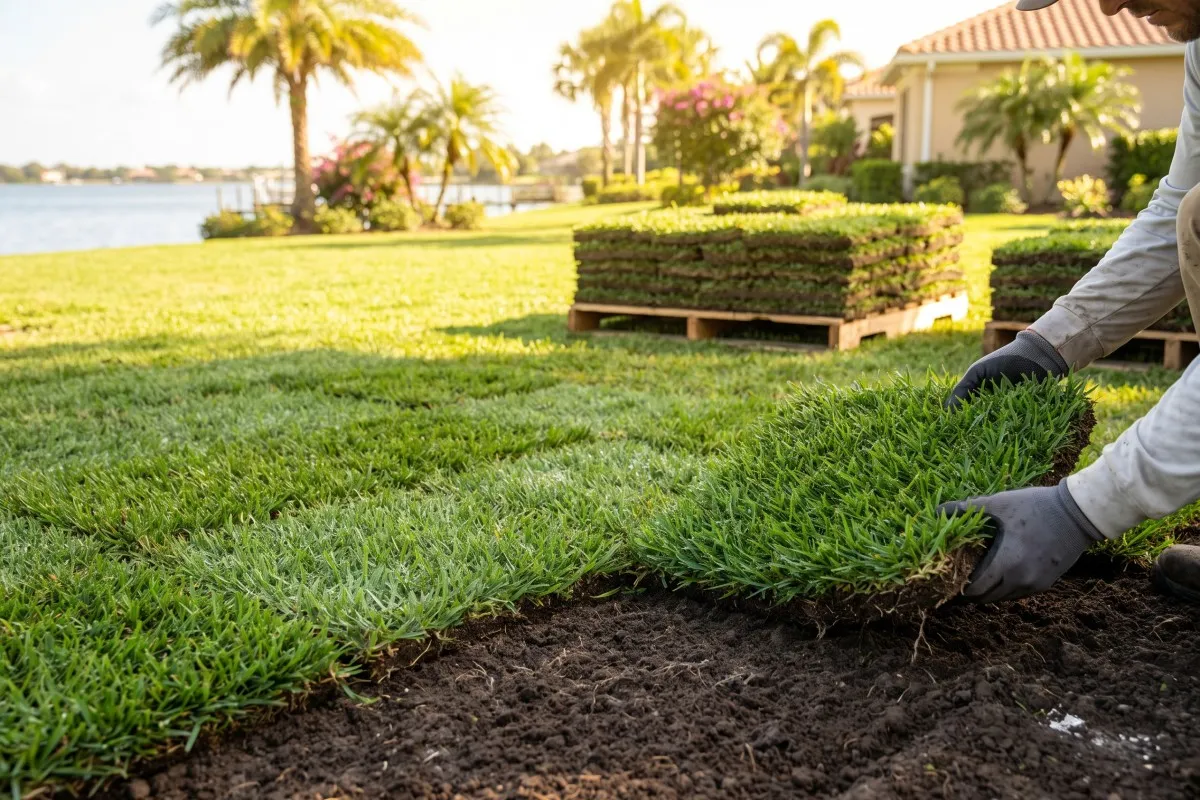
Zoysia Sod for Tampa Bay Lawns: Is It Right for You?
Zoysia sod for Tampa Bay lawns is dense and drought-tolerant, but the right fit depends on your yard's sun, soil, and traffic. An honest look from the local crew that installs it.
The Evolution of Roundup: What ProVista St. Augustine Owners Should Know
Roundup has removed glyphosate from its lawn-care products — and the replacement chemistry can damage or kill ProVista St. Augustine. Here's how to protect your lawn.