
Weed Prevention After Sod Installation in Florida: Why Weeds Appear and What Is Safe to Use
Weed prevention after sod installation Florida: why weeds sprout weeks after a fresh install in Tampa Bay, and what is and isn't safe to put on new turf.
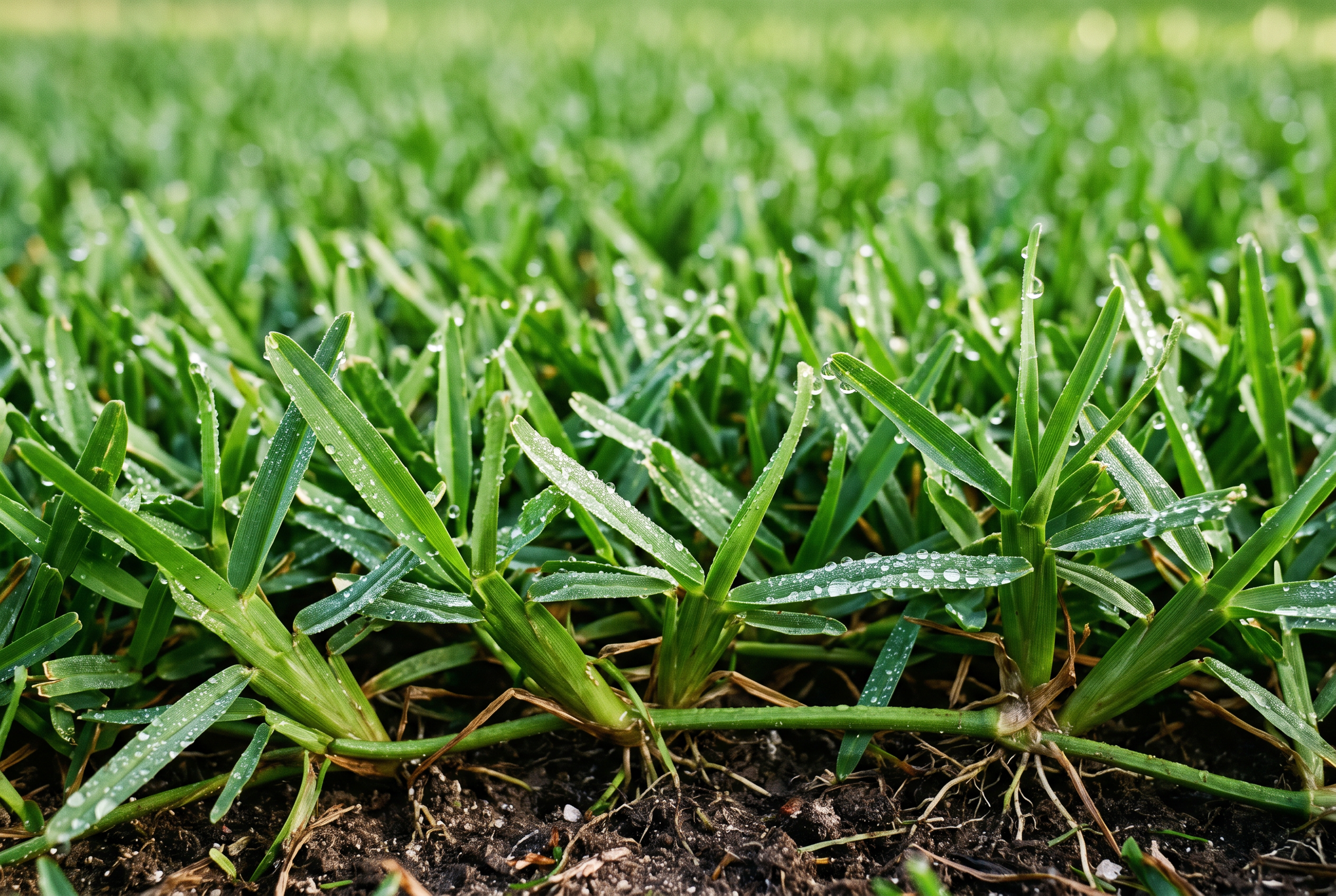
Weed prevention after sod installation in Florida starts with one uncomfortable truth: the weeds coming up through your new lawn were almost never in the sod. They were already in your ground. When our crew strips the old yard and grades the dirt across a Riverview or Brandon lot, that soil work stirs a seed bank that has been sitting dormant for years, and sunlight plus fresh water wakes it up. So a lawn that looked flawless the day the last pallet emptied can show crabgrass three weeks later. That is not a defect in the sod. It is soil biology doing exactly what soil biology does.
We field this question more than almost any other after an install. Homeowners feel cheated, and we understand why. This guide explains what is actually happening under your feet, names the weeds we see most across Tampa Bay, and tells you plainly what you can and cannot put on young turf without setting your lawn back.
Weed Prevention After Sod Installation Starts With the Soil, Not a Spray
A weed seed can stay viable in Florida soil for years, waiting for two things: light and moisture. Grading, tilling, and leveling bring buried seeds up into the top inch where both are suddenly available, and the deep soak your new sod needs is the same water those seeds have been waiting on (UF/IFAS EDIS). This is why disturbed ground and germinating weeds go together. It is also why no honest sod company can sell you a weed-free guarantee. We install clean, fresh-cut sand-bottom sod, but we cannot promise your old seed bank is empty, and anyone who does is selling you a slogan.
Tampa Bay sits in USDA Hardiness Zones 9b to 10a, where warm-season grasses grow nearly year round and so do the weeds (UF/IFAS). That long season is a gift when you want sod, because we install it in every month of the year here. The same mild winters mean our soils rarely freeze hard enough to kill a season of weed seed the way a Midwest winter does. The seed bank simply carries over. Fresh sod actually helps here. A dense, healthy stand of turf is the single best weed suppressant you own, because it shades the soil and starves germinating seeds of the light they need.
The Weeds We See Most After a Tampa Bay Install
The offenders are predictable. Knowing which one you have matters, because the chemistry that kills a grassy weed does nothing to a sedge, and confirming the family before you buy anything saves money (Sod Solutions). Here is what tends to break through a new lawn between Valrico and Apollo Beach:
- Crabgrass (Digitaria), a summer annual grass that germinates once soil at a 2-inch depth reaches the mid-50s and spreads flat and fast in the thin gaps between fresh sod pieces.
- Doveweed and chamberbitter, warm-season weeds that thrive in the moist, freshly watered soil a new install provides.
- Nutsedge, the triangular-stemmed sprinter that shoots up faster than your turf in the first weeks and shrugs off most standard products.
- Florida pusley and spurge, low broadleaf weeds that colonize any bare seam before the sod knits together.
Crabgrass in new sod is the one Florida homeowners recognize on sight and the one that upsets them most. It looks aggressive because it is. But it is an annual, which means the individual plants you see now will die back, and the real fix is a thick lawn plus properly timed pre-emergent next season, not a panic spray this week. Our Tampa Bay weed identification guide walks through each of these with photos so you can name yours before you touch a bottle.
What Not to Put on New Sod
This is the part that trips people up, so we will be blunt. Do not apply pre-emergent herbicide to new sod. A pre-emergent works by stopping root development in germinating seeds, and your new sod is doing the exact thing that product is designed to prevent: pushing fresh roots down into the soil to knit in. The prodiamine label, the most common crabgrass pre-emergent in Florida, says it outright: do not apply to newly set sod until the sod has rooted and the exposed edges have filled in (Prodiamine 4L label, PDF). Rooting takes weeks, not days. Reach for a pre-emergent too early and you can stall the establishment you just paid for.
Post-emergent weed and feed products carry the same risk for a different reason. Young turf has not built the root mass to metabolize herbicide safely, so the chemical that an established lawn shrugs off can burn a three-week-old one. The widely cited rule from extension sources is to wait until new sod has been mowed at least two to three times before any herbicide touches it (UF/IFAS St. Augustinegrass guide). On St. Augustine that usually lands around the four to six week mark. Until then, the safest post-install herbicide for St. Augustine is none at all.
When Your New Lawn Is Ready for Weed Control
Once the sod has rooted, filled its seams, and taken a few mowings, you can treat it like an established lawn, with two Florida-specific cautions that catch people every summer. First, never spray herbicide on turf under moisture stress. Second, watch the thermometer. Atrazine, one of the few selective products labeled for St. Augustine, is not safe on Floratam St. Augustine when air temperatures climb above 85°F, because the heat lets the grass absorb the chemical faster than it can break it down, and the result is yellow, bronzed turf (UF/IFAS). In a Tampa Bay summer that rules out most afternoons from June through September. Read every label against your grass variety and the day’s forecast, not the calendar.
For the season ahead, the durable answer to grassy weeds is a properly timed pre-emergent once your lawn is mature. Southern crabgrass germinates as soil warms through the mid-50s, so central Florida lawns get their spring barrier down around mid-February, before the seeds move (UF/IFAS EP141). Granular options like Sod Solutions’ Crabgrass Control Plus with 0.37% prodiamine make that a one-pass job. We map the full Tampa Bay timing, both the spring and fall windows, in our pre-emergent weed control guide.
What to Do While You Wait
The waiting weeks are not wasted. The best thing you can do for a new lawn is exactly what starves weeds anyway: water deep and grow the turf thick. Follow the soak-then-taper schedule your project manager left you so the roots chase moisture downward and the canopy closes fast. A shaded seam grows no crabgrass.
For the handful of weeds that do break through before your first mow, pull them by hand. It is tedious, and it is completely safe on young sod. A weed removed at three weeks has not gone to seed, so you are also thinning next year’s seed bank one plant at a time. Mow on schedule once the sod is anchored, keep the blade high for St. Augustine, and let a dense lawn do most of the work. Weed pressure in a new install is loudest in the first month and quieter every week after, as the turf wins back the ground.
If you would rather have a set of eyes on it, that is what we are here for. Our project managers help every customer read what is coming up, sort the annual nuisance from the real problem, and time the first safe treatment so a young lawn is never set back by an early spray. Reach out when the first weeds appear and we will tell you honestly whether to pull them, wait, or plan for next February.

Fresh-cut sod installation, replacement, and delivery in the Tampa Bay area.
Continue reading
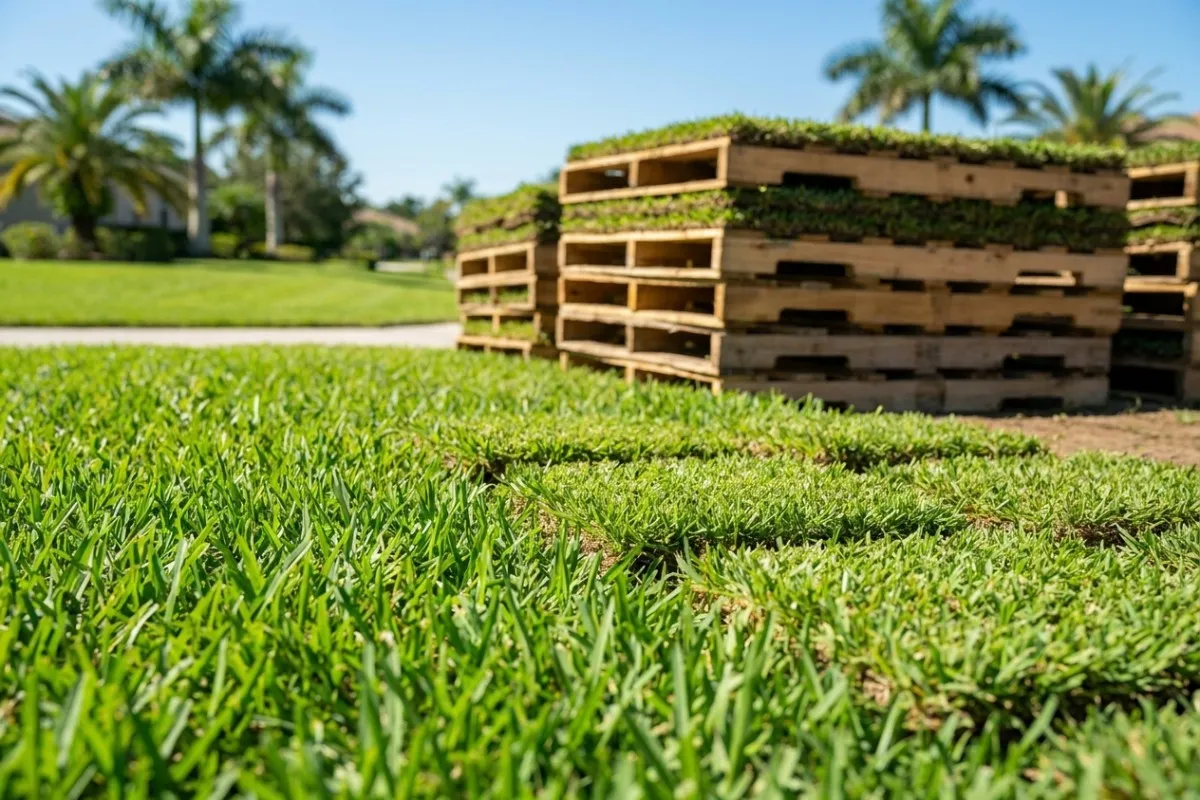
Pre-Emergent Weed Control for Florida Lawns (Tampa Bay Timing)
Pre-emergent weed control on a Florida lawn works only when it is timed to soil temperature. Here is the Tampa Bay window for crabgrass and winter weeds.
When to Fertilize New Sod in Florida: A Season-by-Season Guide for Tampa Bay
When to fertilize new sod in Florida: wait about 30 days, then feed by the season your sod went down. A Tampa Bay timeline that protects your new lawn.
How Long Does Sod Last in Florida? A Tampa Bay Homeowner's Honest Guide
How long does sod last in Florida? An honest Tampa Bay answer: realistic St. Augustine lifespan, what shortens it, and how to stretch your lawn's years.