
Pre-Emergent Weed Control for Florida Lawns (Tampa Bay Timing)
Pre-emergent weed control on a Florida lawn works only when it is timed to soil temperature. Here is the Tampa Bay window for crabgrass and winter weeds.
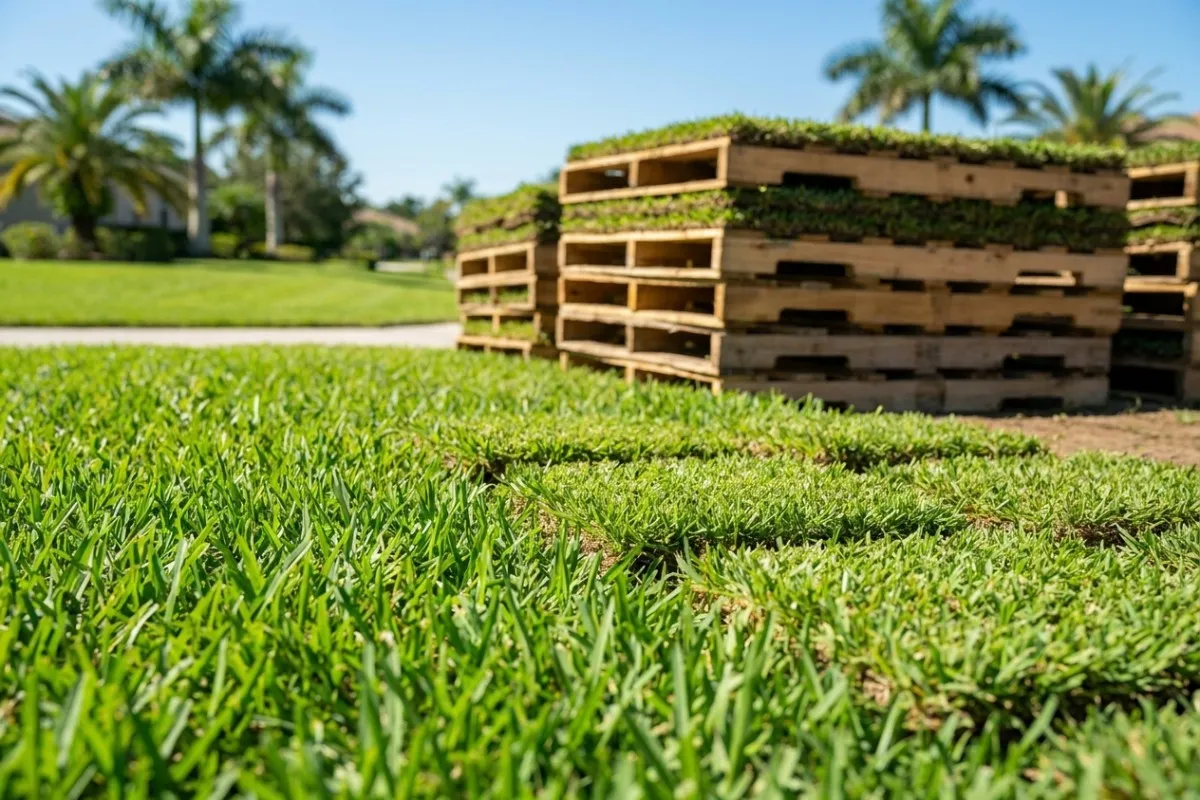
Effective pre-emergent weed control on a Florida lawn comes down to one number: soil temperature at a 2-inch depth. In the Tampa Bay area that means putting down your spring pre-emergent in early to mid-February, before soil warms into the mid-50s and crabgrass seeds germinate, then a second application in October, before soil cools below 70°F and winter annuals like annual bluegrass move in. Miss those windows and the herbicide barrier forms after the seeds have already sprouted, when a pre-emergent can no longer do its job. This guide ties each application to Tampa Bay’s actual soil temperatures and rainfall, and notes which products are safe on the sod varieties we install.
Why Soil Temperature Beats the Calendar Here
Tampa Bay sits in USDA Hardiness Zones 9b–10a, and our warm-season grasses grow through nearly every month of the year (UF/IFAS). That long growing season is why sod establishes here almost any time, and it is also why weed control is a twelve-month job. Unlike the Midwest, where a hard freeze kills weed seeds and resets the lawn each winter, Hillsborough and Manatee County soils rarely stay cold long enough for that biological reset.
The practical consequence is simple: local weeds germinate on the soil’s schedule, not the calendar printed on a herbicide bag. Most of those bag calendars are written for northern lawns and run weeks late for Central Florida. Weed pressure here arrives in two waves, a hot-season surge of grassy weeds and sedges and a cool-season flush of broadleaf annuals, which is why one product applied once a year almost never holds a Tampa Bay lawn. Our Tampa Bay weed identification guide walks through which weeds belong to each wave so you can confirm the target before you buy anything.
When to Apply Pre-Emergent Herbicide on a Florida Lawn
A pre-emergent stops seeds as they germinate, so the whole strategy depends on getting the barrier down roughly two weeks before germination begins. In Tampa Bay that produces two application windows, one for each pressure wave.
- Spring (crabgrass prevention Florida): Southern crabgrass germinates once soil at a 2-inch depth climbs past roughly 55°F (UF/IFAS). Because that soil reading is easy to miss at the moment it crosses, UF/IFAS ties the practical spray signal to the air instead: put the barrier down for summer annuals when daytime temperatures hold at 65° to 70°F for four to five consecutive days, which in Central Florida is typically February (UF/IFAS Extension). Applying at that air-temperature cue puts the herbicide in place before the soil finishes warming to the germination threshold.
- Fall (winter weed prevention): Winter annuals such as annual bluegrass (Poa annua), lawn burweed, chickweed, and henbit begin germinating once soil cools below 70°F, usually October along the Gulf coast (Sod Solutions). Put the fall barrier down about two weeks ahead of that drop.
The most reliable way to hit both windows is to stop guessing and measure. A cheap soil thermometer pushed two inches into a sunny section of turf, checked over several mornings, tells you when you are approaching the threshold. If you would rather watch the trend than take daily readings, UF/IFAS runs the free Florida Automated Weather Network (FAWN), whose Balm station in Hillsborough County logs soil temperature for the Tampa Bay area. The rule that never changes: a pre-emergent applied after weeds are already visible will not control them, because the active ingredient works only on germinating seeds (UF/IFAS EDIS).
Prodiamine: The Workhorse for Tampa Bay Crabgrass Prevention
For grassy summer weeds, prodiamine is the active ingredient most Tampa Bay lawns are built around. It forms a stable barrier in the top layer of soil and delivers roughly three months of protection per application (Floridist). Granular products make prodiamine lawn application in Florida straightforward for homeowners: Sod Solutions sells a Crabgrass Control Plus 0-0-7 with 0.37% prodiamine that pairs the pre-emergent with a light potassium feeding, so one pass does two things.
Because a single application lasts about three months and Tampa’s grassy-weed pressure runs from February well into summer, a single February treatment often thins out before the season ends. Splitting the labeled annual amount into two applications spaced roughly eight to ten weeks apart extends coverage through the peak. Never exceed the product’s stated maximum annual rate for your grass, and always calibrate your spreader to the label rather than guessing, since prodiamine that is applied too heavily can stress even an established lawn.
Which Pre-Emergents Are Safe on Your Sod Variety
This is where installation experience matters more than a generic weed-control article can convey. Prodiamine is labeled for use on established St. Augustinegrass, zoysiagrass, bermudagrass, and centipedegrass at label rates (UF/IFAS, Weed Management Guide for Florida Lawns), which covers the varieties we install most often across Riverview, Valrico, and Brandon. The active ingredient does not care which of those you have, as long as the turf is mature.
The one rule that protects your investment: never apply a pre-emergent to newly installed sod. Prodiamine works by stopping root development in germinating seeds, and that is exactly the process fresh sod depends on to knit into your soil. Applying it too soon can keep new sod from rooting and undo the whole install. Wait until the lawn is fully established and has been mowed several times before the first pre-emergent goes down, and read the label for the variety you have, because tolerances differ. If you are still choosing a grass, our Tampa Bay sod comparison guide covers how St. Augustine, Zoysia, and Bermuda differ on sun, traffic, and soil.
Make the Barrier Actually Work
Timing gets the product down at the right moment; a few application details decide whether it holds. Prodiamine has to be watered into the soil to activate, so plan to irrigate with about half an inch of water within seven to fourteen days of applying, unless rain does it for you. Just as important, do not disturb the treated soil afterward. Raking, aerating, or dethatching breaks the chemical barrier and opens gaps that weeds find quickly.
Tampa Bay’s rainfall pattern is the other variable to plan around. Our intense summer downpours can shorten how long a barrier lasts, which is one more reason the split-application approach earns its keep here. If you are timing lawn tasks around the wet season generally, our guide to rainy-season lawn care in Florida covers how those months change mowing, watering, and disease pressure. For weeds already up before you got the barrier down, a pre-emergent is the wrong tool, and you will need a post-emergent matched to the specific weed family instead.
Getting Ahead of Next Season
Pre-emergent weed control is a prevention strategy, not a rescue. Its whole value is in the two weeks of lead time before germination, so the homeowners who win the weed battle are the ones watching soil temperature in late January and again in early October rather than reacting once crabgrass is visible. Pair that timing with the right grass for your yard’s sun and soil, and you reduce weed pressure at the source instead of spraying all summer.
If your lawn is already so thin or weed-choked that prevention alone will not turn it around, sometimes the cleaner reset is a fresh install of dense, healthy sod that crowds weeds out from the start. Our project managers walk the property, match the variety to your site, and can talk through where pre-emergent timing fits your specific lawn. Reach out when you are ready to plan next season.

Fresh-cut sod installation, replacement, and delivery in the Tampa Bay area.
Continue reading
Weed Prevention After Sod Installation in Florida: Why Weeds Appear and What Is Safe to Use
Weed prevention after sod installation Florida: why weeds sprout weeks after a fresh install in Tampa Bay, and what is and isn't safe to put on new turf.
Florida Lawn Weed Identification: Tampa Bay Visual Guide
A UF/IFAS visual ID guide to common lawn weeds Florida homeowners encounter in Tampa Bay, with a month-by-month prodiamine pre-emergent calendar.
When to Fertilize New Sod in Florida: A Season-by-Season Guide for Tampa Bay
When to fertilize new sod in Florida: wait about 30 days, then feed by the season your sod went down. A Tampa Bay timeline that protects your new lawn.