
The Green Choice: Why Real Live Sod Triumphs Over Artificial Turf in Florida
- ryantrias
- Oct 1, 2025
- 4 min read

In the sunny state of Florida, where lush lawns are a hallmark of beautiful homes and vibrant communities, homeowners often face a tough decision: go natural with real live sod or opt for the seemingly low-maintenance appeal of artificial turf? While artificial turf might promise an evergreen look without the hassle of mowing, it comes with a host of drawbacks, especially in Florida’s hot, humid, and storm-prone climate. On the flip side, real live sod offers numerous advantages that align perfectly with the environment and lifestyle here. In this blog post, we’ll dive into why natural grass is the superior choice and explore the inherent problems plaguing artificial turf in the Sunshine State.
The Advantages of Real Live Sod
Real live sod, which is essentially pre-grown grass that’s harvested and installed as rolls or squares, provides an instant, natural lawn
that’s far more than just a pretty surface. Unlike its synthetic counterpart, sod is a living ecosystem that brings tangible benefits to your yard, your health, and the planet.
One of the standout perks is its environmental impact. Natural grass excels at carbon absorption, pulling CO2 from the air and helping combat climate change. It also filters out pollutants like pollen and dust, preventing them from entering waterways. In Florida’s subtropical heat, sod acts as a natural air conditioner, regulating temperatures and reducing the urban heat island effect that plagues densely populated areas like Miami or Orlando. This cooling property can lower ambient air temperatures around your home, making outdoor spaces more comfortable during those sweltering summer months.

From a health and safety perspective, real sod is a winner. It avoids the chemicals often found in artificial turf, creating a safer play area for kids and pets. The soft, cushioned surface reduces injury risks during play or sports, and its root system enhances fire resistance— a crucial benefit in wildfire-prone regions. Plus, sod supports local biodiversity by providing habitat for beneficial insects, birds, and microorganisms, fostering a healthier ecosystem right in your backyard.
Functionally, sod shines in stormwater management. Its deep roots absorb rainwater, reducing runoff and erosion—essential in Florida, where heavy rains and hurricanes are commonplace. And while it does require some maintenance like watering and occasional fertilizing, modern sod varieties are bred for drought tolerance and low upkeep, making them cost-effective over time with long-term savings on water bills and repairs. Aesthetically, nothing beats the authentic look and feel of real grass; it provides instant curb appeal and a welcoming, natural vibe that’s hard to replicate.
The Inherent Problems with Artificial Turf in Florida
Artificial turf might seem like a convenient alternative, but in Florida’s unique climate, it often creates more issues than it solves. Made from plastic materials, it doesn’t behave like a living lawn and can exacerbate environmental and practical challenges.
Heat retention is perhaps the most glaring problem. In Florida’s intense sun, artificial turf surfaces can soar to temperatures as high as 174°F on hot days, hot enough to cause skin burns and making it unusable for barefoot play or pets. This heat buildup contributes to the urban heat island effect, raising local air temperatures and straining air conditioning systems. Unlike natural grass, which cools through evapotranspiration, synthetic turf absorbs and radiates heat, turning your yard into a mini oven during summer. Studies show synthetic surfaces can increase air and surface temperatures significantly compared to natural grass, posing risks in already hot climates.


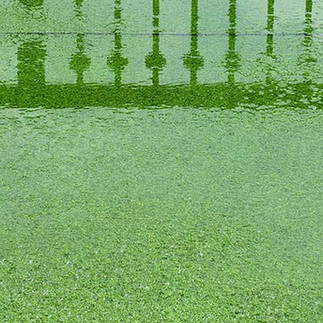
Drainage woes are another major concern amid Florida’s frequent downpours and hurricanes. While some turfs have drainage holes, they often fall short during intense storms, leading to pooling water, obstructed waterways, and increased flooding risks. Humidity can also promote mold and mildew growth beneath the turf, creating slippery or unhealthy conditions.
Environmentally, artificial turf is problematic. It’s non-biodegradable, contributing to plastic pollution when it degrades into microplastics that contaminate soil and waterways. Many products contain harmful chemicals like PFAS, heavy metals, benzene, and phthalates, which can leach into the environment or pose health hazards through inhalation or skin contact. This leads to loss of wildlife habitat and contaminated runoff, undermining Florida’s delicate ecosystems, from coastal mangroves to inland wetlands. Additionally, it absorbs more radiation than natural grass, potentially contributing to global warming.
Maintenance isn’t as hands-off as advertised either. Artificial turf requires regular rinsing to remove debris, pet waste, or pollen, and infill materials can shift or compact over time, necessitating replacements. The high upfront cost for materials and installation can be a barrier, and without the ecological functions of a living lawn, it doesn’t provide the same long-term value.
Conclusion: Go Natural for a Thriving Florida Lawn
When it comes down to it, real live sod offers a harmonious blend of beauty, functionality, and sustainability that’s tailor-made for Florida’s climate. It cools your space, supports the environment, and provides a safe, natural haven without the hidden risks of artificial alternatives. If you’re considering a lawn upgrade, skip the synthetic shortcuts and invest in sod—your yard, your family, and the planet will thank you. For the best results, choose Florida-adapted varieties like St. Augustine or Zoysia, and consult local experts for installation tips. Let’s keep Florida green the natural way!


Comments