
The Best Time to Install Sod in Florida? Why Tampa Bay Is a Year-Round Window
The best time to install sod in Florida isn't a single season. Here's how Tampa Bay's climate opens a year-round window, season by season.
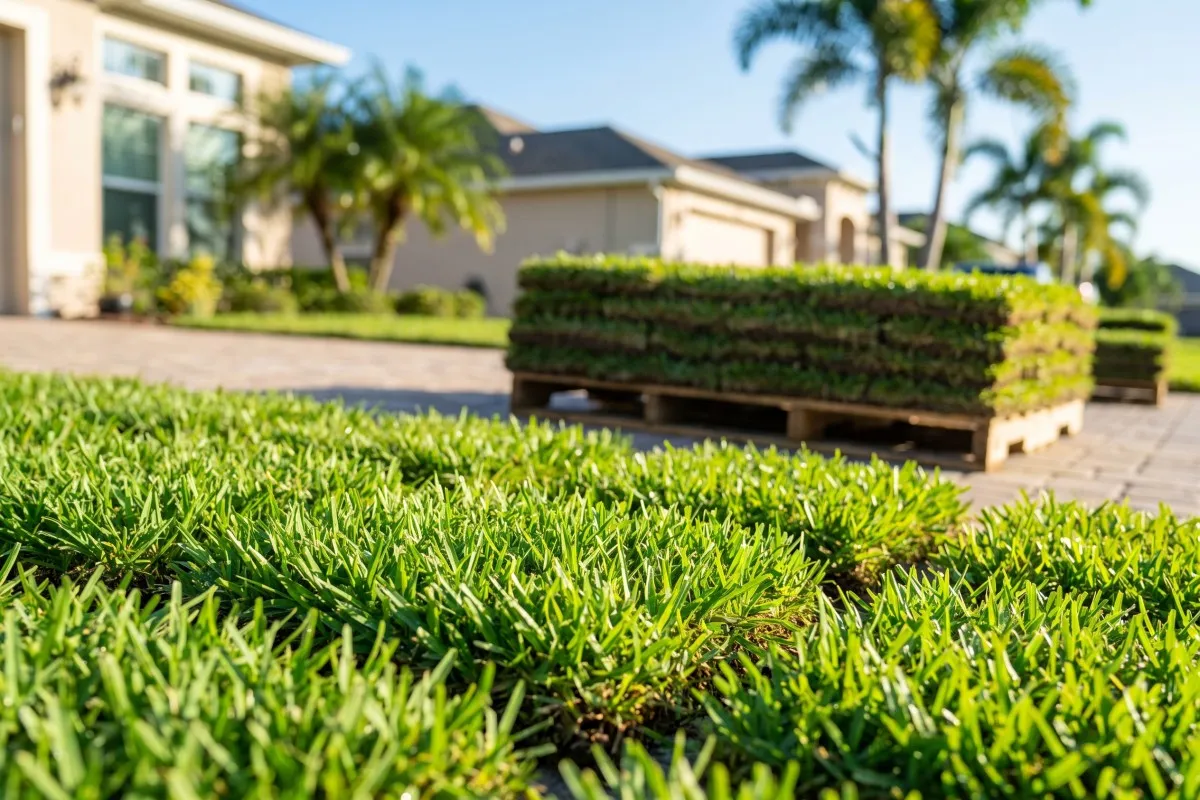
The best time to install sod in Florida is not one season the way it is up north. In Tampa Bay you can lay fresh sod in January or July and still get a lawn that roots and knits, because our ground never freezes and our warm-season grasses never fully shut down. The question is not whether sod takes. It is which trade-offs you manage while it establishes. We install year-round across Riverview, Brandon, and Valrico, and this guide walks through what each season asks of you.
Homeowners who moved here from cooler states carry a rule that does not apply. Up north you sod in fall or you wait. The Tampa Bay calendar works differently, and once you see why, you stop stalling a project for no reason.
Why the best time to install sod in Florida ignores the northern calendar
Tampa Bay sits in USDA Plant Hardiness Zones 9b and 10a under the 2023 map, meaning our coldest winter nights typically land between 25 and 35°F (UF/IFAS). That is warm enough to change everything about lawn work. Tampa averages 312 frost-free days a year, and the average first and last frost both fall inside a single month, January (The Old Farmer’s Almanac).
Frozen soil is what stops sod from rooting up north. We do not have it. The grasses we install, mostly St. Augustine, grow best between 80 and 95°F and slow as things cool, but slowing is not stopping (UF/IFAS ENH5). Even through a mild Central Florida winter, when the blades look sluggish and the color drops a shade, the roots keep reaching down into soil that never locks up. That is why local growers confirm year-round replacement.
So the real question is never can I sod now. It is what to expect if I do. That depends on the season.
Spring and early summer: fast establishment, rising weed pressure
From roughly March through June, soil temperatures climb past 65°F and warm-season grass shifts into its most active growth (UF/IFAS ENH5). New sod knits fast here. Roots chase the warmth down, seams close, and an April lawn can look fully established before the heaviest rains arrive.
The trade-off is weeds. Everything grows in spring, including the seeds already sitting in your soil, and they pounce on the bare edges of fresh turf before it has a chance to fill in. Keep the water on schedule so the grass wins the race, not the weeds.
The summer rainy season: free irrigation, real heat stress
Tampa Bay’s wet season runs roughly June through September, and it is a genuinely good time to sod. Near-daily storms handle much of the watering for you. That lowers your bill and takes pressure off a brand-new irrigation routine, and we lay a lot of sod in these months for exactly that reason.
Two things need managing. The first is heat stress. Fresh-cut sod loses moisture fast on a 93°F afternoon, so a summer install demands that the first soak goes down the moment the last piece is set and that the establishment watering never lapses after that. We cut our sod fresh right before installation, and most residential projects finish in a single day, so the turf spends as little time as possible off the ground.
The second is disease. Warm and wet is the exact recipe for lawn fungus, and shade only makes it worse. The rainy season delivers all of it. Brown patch and gray leaf spot move fast in standing moisture. Our rainy-season lawn care guide covers how to keep airflow and drainage on your side, and it matters most in the weeks right after a summer install. This is where our sand-bottom sod earns its keep. Grown on sandy soil rather than muck, it drains faster and holds less standing water, which cuts disease pressure exactly when the sky will not stop. We explain that difference in sand-bottom vs. muck-bottom sod.
Fall and winter: the underrated window
Here is where northern instincts steer people wrong. October through February is quiet and cool, and it is one of our favorite windows to lay sod. Storms taper off and the air dries out. The brutal heat is gone. New sod under those conditions has a far easier time than a July lawn fighting 90-degree afternoons.
The catch is patience. Cool soil means slower establishment. A lawn laid in December will not knit as fast as one laid in May, and if a rare freeze passes through, the top growth may pale or brown for a spell. That is cosmetic, not fatal. Warm-season grass in Central Florida rarely goes fully dormant the way it does up in Gainesville, and the roots keep working below the surface even when the blades look tired (UF/IFAS ENH5). Come spring, that root system greens up and takes off.
Winter installs carry a practical upside too. Scheduling is easier, and you walk into the growing season with a lawn already in the ground rather than sitting on a waitlist. Got bare, brown patches heading into the cool months? No reason to wait for spring.
What stays the same in every season: the watering plan
Season sets the trade-offs. It does not touch the establishment routine, and this is the part homeowners most often get wrong. For the first four weeks after any install, new sod has to stay consistently moist while it roots down.
- Water about half an inch to three-quarters of an inch daily for the first four weeks, more in summer heat, less when winter rain does the work.
- After roughly a month, taper toward deep, infrequent watering that trains roots downward.
That half-to-three-quarter-inch target comes straight from UF/IFAS guidance for Florida lawns, and it is what we leave with every customer (UF/IFAS AE436). The seasonal adjustment is simple. In summer you are fighting evaporation, so watch that the sod never dries out between storms. In winter you are guarding against the opposite, because cool, soggy turf invites the very fungus the rainy season breeds. We spell out the long-term schedule in our guide to watering established sod in Florida.
One honest note on the seasonal debate. No month is a bad month to sod here, and we will not pretend one season is the single right one. What we will tell you is what each period asks of you, so you can pick the window that fits your yard and your schedule. Want a walk-through of what actually happens on the ground? Our sod installation day guide covers the full sequence.
Pick the window that fits your yard
Tampa Bay hands you something most of the country does not: a lawn project you can start almost any week of the year. Spring gives you speed. Summer gives you free rain and a heat-stress checklist. Fall and winter give you calm conditions and an easy jump on next season. None of them are wrong. None of them come with a guarantee either, because a lawn is a living thing shaped by how it is cared for after we leave.
If you are weighing a sod project and want a straight read on which season suits your yard, its sun, its shade, its drainage, reach out. We will map it out with you and get fresh-cut sod in the ground.

Fresh-cut sod installation, replacement, and delivery in the Tampa Bay area.
Continue reading
Best Time to Install Sod in Florida: A Season-by-Season Guide
The best time to install sod in Florida is the season that fits your yard. Here are the real trade-offs of summer, fall, winter and spring.
Sod Warranty in Florida: Why It Won't Save Your Lawn
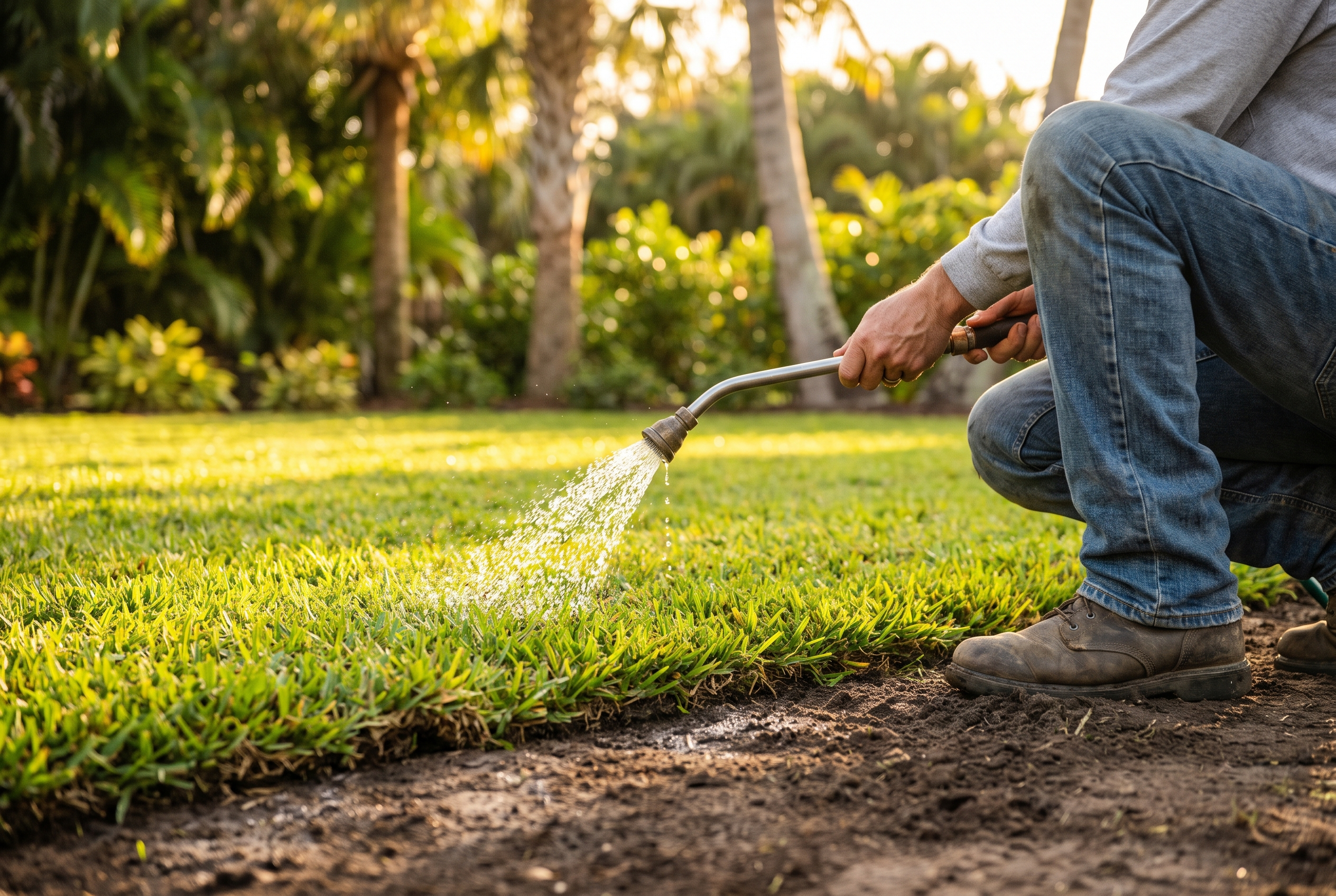
The truth about a sod warranty in Florida: why sod is a living product, why guarantees are often gimmicks, and what actually protects your new lawn.
The Sod Installation Process in Florida: What Happens on Install Day in Tampa Bay
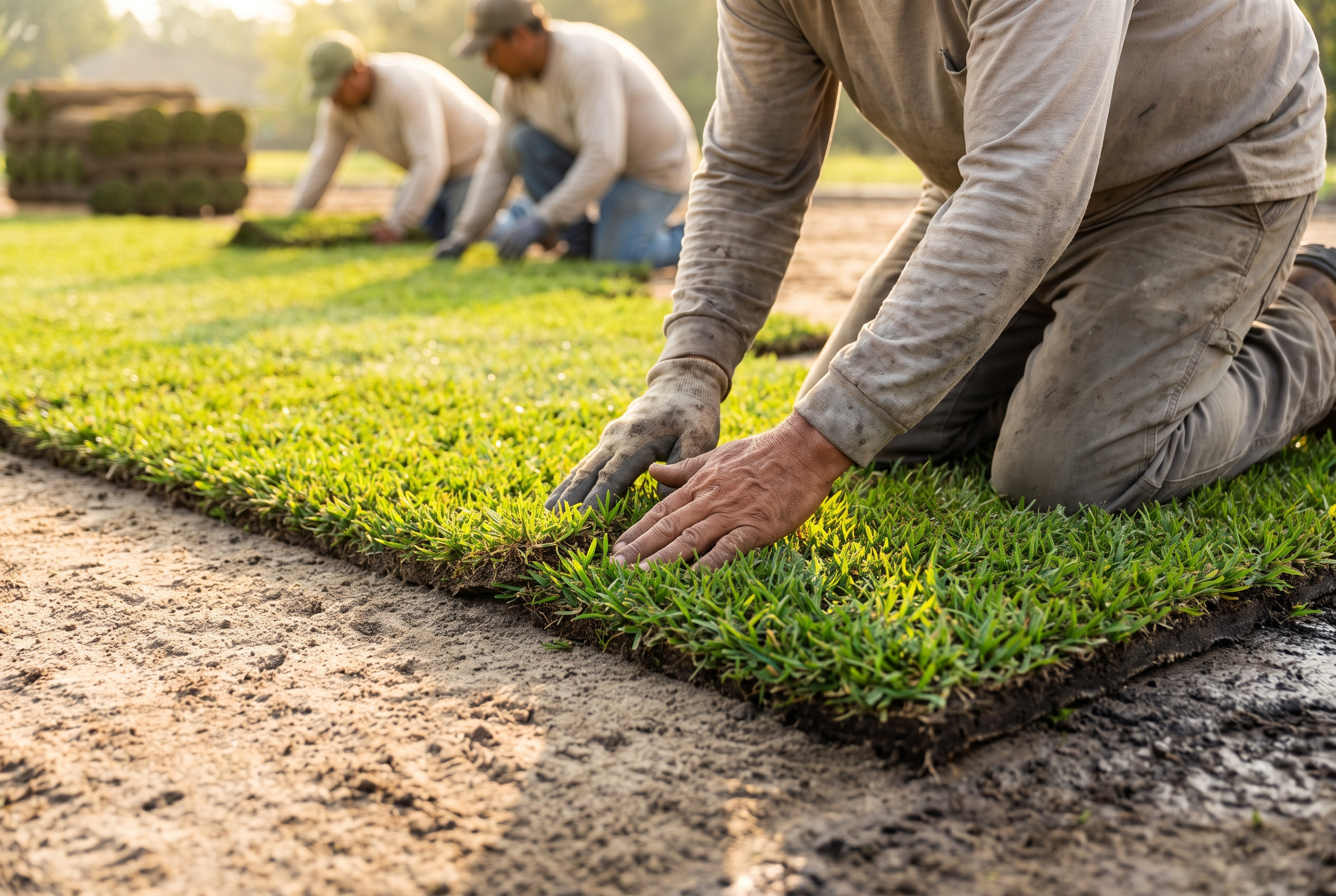
The sod installation process in Florida, behind the scenes: what our Tampa Bay crew does on install day and how to spot a job done right.